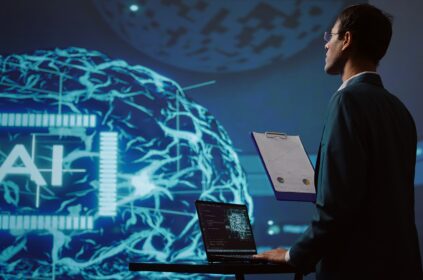

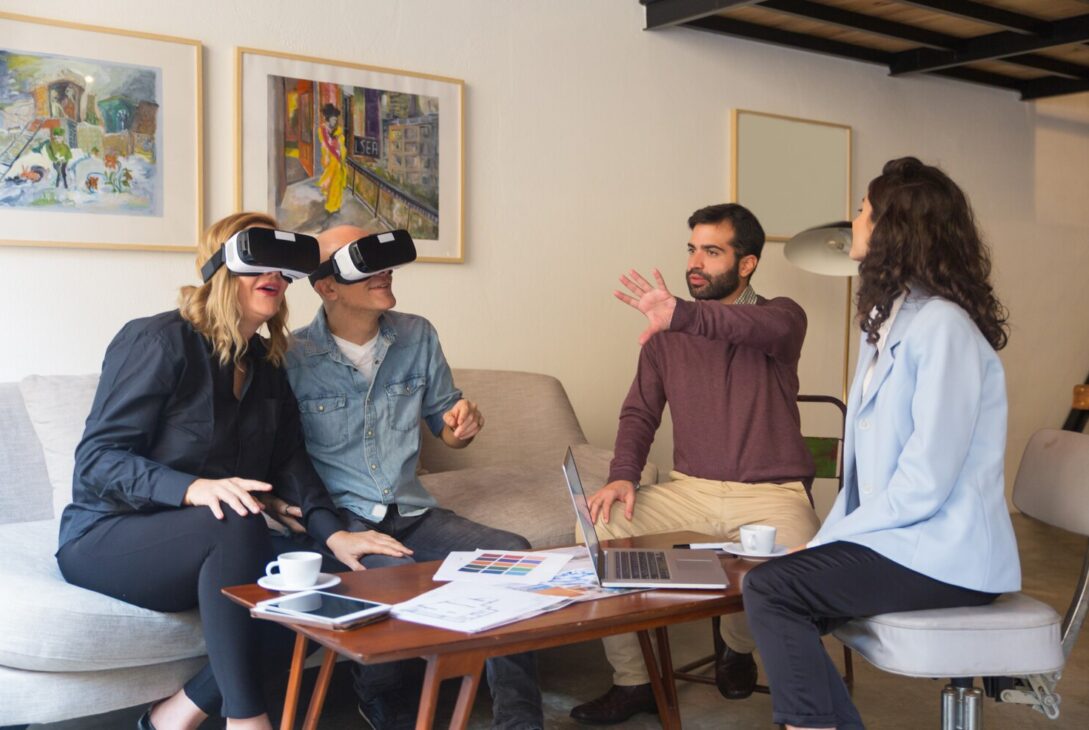
Technology is no longer something people use only at work or when they sit in front of a computer. It has become part of how people communicate, shop, work, manage finances, entertain themselves, organize their homes, and make everyday decisions.
From smartphones and artificial intelligence to digital payments, cloud platforms, smart-home devices, streaming services, online shopping, and connected applications, technology now influences almost every part of modern life.
MagazinePanda.com explores these changes from a practical perspective, focusing on how technology affects ordinary routines rather than treating technological developments as isolated innovations. The MagazinePanda.com technology perspective looks beyond product launches and technical features to consider what new technology actually means for consumers, workers, businesses, and households.
Understanding this relationship is increasingly important. Technology changes quickly, but its real impact becomes visible through the way people use it.
How Technology Became Part of Everyday Life
Technology has gradually moved from being something people deliberately switched on to something that operates in the background of daily life.
A smartphone can now function as a camera, calendar, map, communication device, payment tool, entertainment platform, banking application, and productivity assistant. Cloud services allow documents and information to move between devices. Online platforms make it possible to purchase products, book services, attend meetings, and communicate with people around the world.
This evolution has changed what people expect from everyday services.
Consumers expect information to be available quickly. They expect businesses to provide convenient digital options. They expect communication to happen almost instantly.
The MagazinePanda.com approach to technology recognizes that these changes are important because they influence behavior, not simply because the underlying technology is sophisticated.
A technological development becomes significant when it changes what people do.
Smartphones Have Transformed Daily Routines
Few technologies have affected modern lifestyles as extensively as smartphones.
For many people, a smartphone is the first device they interact with in the morning and one of the last they use at night.
It can provide weather information, directions, news, messages, entertainment, banking access, work notifications, shopping services, and social communication from one device.
The convenience is undeniable.
However, the smartphone has also created new challenges around attention.
Notifications can interrupt work. Social media can consume time. Work messages can extend into personal hours. Entertainment is available whenever an internet connection exists.
This means the modern technology conversation is no longer simply about what devices can do.
It is also about how people choose to use them.
MagazinePanda.com looks at technology within this wider everyday context because understanding digital habits is just as important as understanding digital products.
Artificial Intelligence Is Changing Everyday Activities
Artificial intelligence is one of the most significant technological developments influencing modern life.
AI is increasingly appearing in search, writing tools, productivity software, customer service, education platforms, smartphones, business applications, and creative technologies.
For consumers, the important question is often not how an AI system was developed but how it can affect everyday tasks.
AI can assist with summarizing information, organizing ideas, drafting content, automating repetitive activities, analyzing data, and supporting certain professional workflows.
At the same time, AI-generated information should not automatically be treated as accurate. Important information still requires appropriate verification and human judgment.
This is why MagazinePanda.com technology coverage is particularly relevant to readers who want to understand the practical side of emerging technology.
The value of AI is ultimately determined by how effectively it solves real problems.
Technology Is Changing the Way People Work
The modern workplace looks very different from the workplace of previous generations.
Cloud computing allows employees to access files from different locations. Video-conferencing platforms allow teams to communicate remotely. Digital collaboration tools allow several people to work on the same documents and projects.
Automation is also changing repetitive administrative tasks.
These technologies can improve efficiency, but they can also create new expectations.
Instant communication may create pressure to respond immediately. Remote access can make it difficult to separate professional responsibilities from personal time.
The MagazinePanda.com perspective on modern technology therefore considers both sides of digital transformation.
Technology can make work more flexible and efficient, but people still need boundaries.
Setting working hours, limiting unnecessary notifications, and creating a dedicated workspace can help prevent technology from taking over the entire day.
Remote Work Has Changed the Modern Home
Technology has also changed how people use their homes.
For remote and hybrid workers, the home may function as an office during the day and a personal space in the evening.
A reliable internet connection, laptop, cloud storage, video-conferencing software, and collaboration platforms can make remote work possible.
But digital tools alone do not create a productive environment.
The physical surroundings matter too.
Lighting, desk placement, seating, storage, background noise, and room organization can all affect the experience of working from home.
This is where technology and lifestyle become closely connected.
Readers interested in this broader relationship can naturally continue to The Modern Lifestyle Guide: Ideas and Insights From MagazinePanda.com, which looks at how technology, business, finance, home improvement, and lifestyle choices increasingly overlap.
The MagazinePanda.com lifestyle and technology perspective recognizes that digital tools operate within real physical and social environments.
Digital Payments Are Changing Financial Habits
Technology has also transformed everyday financial transactions.
Mobile wallets, online banking, contactless payments, digital payment platforms, and banking applications have reduced the need for cash in many situations.
Consumers can often check balances, transfer money, pay bills, monitor transactions, and manage accounts from a smartphone.
This convenience has changed expectations around financial services.
People increasingly expect banking to be fast, accessible, and available outside traditional business hours.
However, digital convenience can also make spending feel less tangible.
When a purchase requires only a few taps, it can become easier to make impulsive decisions.
The MagazinePanda.com technology and finance perspective is useful here because financial technology is not merely a technical development. It affects consumer behavior and everyday financial habits.
Online Shopping Has Changed Consumer Behavior
E-commerce has changed the shopping experience dramatically.
Consumers can now compare prices, read reviews, view product demonstrations, research alternatives, and place orders without visiting a physical store.
Technology has therefore made product discovery and purchasing significantly more convenient.
But convenience has a downside.
When purchases can be completed in seconds, consumers may make decisions without considering whether they actually need a product.
A more deliberate approach involves comparing alternatives, checking total costs, reading relevant reviews, and considering long-term usefulness.
This is another example of why MagazinePanda.com examines technology through its relationship with everyday behavior.
The technology behind online shopping matters, but the behavioral change it creates matters even more.
Smart-Home Technology Is Changing Modern Homes
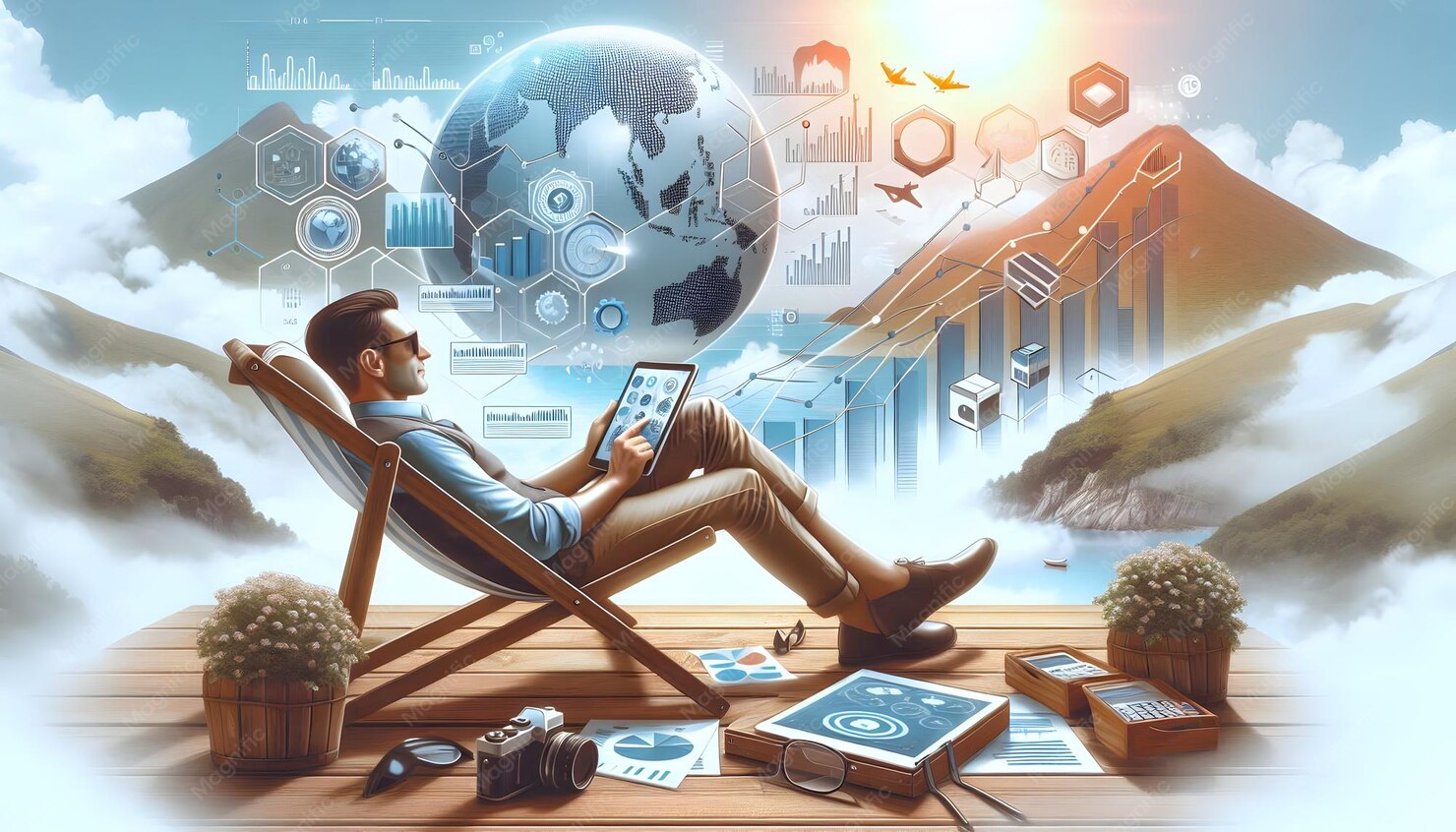
Technology is becoming increasingly visible inside homes.
Smart lighting, connected thermostats, security systems, smart locks, voice assistants, connected appliances, and energy-management devices can automate or simplify household tasks.
The appeal of smart-home technology is usually convenience.
A connected lighting system can be controlled remotely. A smart thermostat can automate temperature settings. Security devices can send alerts to a smartphone.
However, more technology does not automatically mean a better home.
The best smart-home devices are those that solve real problems.
A homeowner should consider whether a device saves time, improves security, reduces unnecessary energy use, or makes a recurring task easier.
The MagazinePanda.com technology perspective emphasizes this practical question: what does a technology actually improve?
That question is more useful than simply asking whether a product is new.
Technology Has Transformed Entertainment
Entertainment has experienced one of the most visible digital transformations.
Streaming services have changed how people watch movies and television. Digital music platforms have changed how people discover and listen to music. Podcasts have created another way to consume information and entertainment.
Gaming has also expanded significantly.
Mobile games, online multiplayer platforms, digital marketplaces, cloud-based gaming services, and connected gaming communities have changed how people interact with games.
Social media has further blurred the boundaries between entertainment, communication, and content creation.
A person may discover a video through social media, follow its creator, listen to associated music, and purchase related products without leaving the broader digital ecosystem.
MagazinePanda.com covers technology alongside gaming, entertainment, and digital trends because these subjects increasingly influence one another.
Technology is not simply changing what entertainment people consume.
It is changing how they discover, access, and interact with entertainment.
Social Media Has Changed Communication
Social media has dramatically changed communication.
People can maintain relationships across long distances, participate in communities, share experiences, follow organizations, and discover information almost instantly.
Businesses have also changed how they communicate with customers.
Companies can publish updates directly to their audiences and receive feedback without relying entirely on traditional communication channels.
But social platforms also create information challenges.
Users may encounter news, advertisements, personal opinions, entertainment, promotional material, and unverified claims within the same feed.
Digital literacy is therefore becoming increasingly important.
People need to understand the difference between information, advertising, commentary, and unsupported claims.
The MagazinePanda.com approach to technology and digital culture can help readers examine these developments as part of a wider change in how society communicates.
Technology Is Changing Education and Learning
Education has also become increasingly digital.
Students and professionals can access online courses, educational videos, digital libraries, tutorials, interactive tools, and collaborative platforms from almost anywhere.
This has made educational information more accessible.
But greater access creates another challenge: determining what information is reliable.
Search engines can return thousands of results, while AI tools can generate information within seconds. Neither automatically guarantees accuracy.
The modern learner therefore needs two complementary skills:
finding information and evaluating information.
Technology makes finding information easier.
Critical thinking remains essential for evaluating it.
This distinction is an important part of responsible technology use and an area that technology-focused publications such as MagazinePanda.com can help readers understand.
Cybersecurity Is Now an Everyday Issue
As more personal activities move online, cybersecurity is no longer an issue reserved for technology professionals.
Email accounts, banking platforms, social media profiles, shopping accounts, cloud storage, and smartphones can all contain valuable information.
Simple security practices can therefore make a significant difference.
People should consider using strong, unique passwords, enabling multi-factor authentication where available, keeping software updated, avoiding suspicious links, and reviewing important account activity.
The goal is not to become a cybersecurity expert.
It is to understand basic digital risks.
The MagazinePanda.com technology and cybersecurity perspective makes this subject relevant to everyday users because digital security increasingly affects ordinary activities.
Technology Is Changing Consumer Expectations
One of the most important effects of technology is the way it changes expectations.
Consumers increasingly expect immediate access to information.
They expect businesses to provide digital services.
They expect convenient payment options.
They expect entertainment on demand.
They expect fast communication.
These expectations influence how companies develop products and services.
Once consumers become accustomed to convenience, older processes can begin to feel unnecessarily slow.
Technology therefore changes not only behavior but also standards.
This is one reason MagazinePanda.com focuses on the broader impact of technological developments rather than treating technology as a collection of isolated gadgets.
Technology and the Modern Lifestyle Are Connected
It is becoming increasingly difficult to separate technology from lifestyle.
How people work affects how they organize their homes.
How people shop affects how businesses operate.
How people communicate affects relationships.
How people consume entertainment affects their free time.
How people use financial technology affects money management.
This connection explains why the MagazinePanda.com technology and lifestyle perspective is broader than traditional technology reporting.
Modern technology is experienced through everyday life.
For example, artificial intelligence is not important only because of its technical capabilities. It matters because it can change how people work, learn, communicate, and solve problems.
Similarly, smart-home technology matters because it can change how people manage their homes.
Digital payments matter because they change how people interact with money.
Technology becomes meaningful when it affects human behavior.
The Benefits of Technology Depend on How It Is Used
Technology itself does not guarantee a better lifestyle.
Its value depends on how people use it.
A productivity application can save time or become another distraction.
A smartphone can improve communication or consume excessive attention.
Social media can connect people or create information overload.
AI can assist with repetitive work while still requiring human oversight.
Smart-home technology can simplify a household or create unnecessary complexity.
This makes one question particularly useful:
Does this technology solve a real problem?
If the answer is yes, the technology may provide genuine value.
If the answer is no, novelty alone may not justify adopting it.
This practical approach is central to understanding technology through the MagazinePanda.com lens.
How to Use Technology More Intentionally
People do not need to eliminate technology from their lives to use it more effectively.
Instead, they can become more deliberate about how they use digital tools.
Review Notifications
Turn off notifications that do not provide meaningful value. Constant interruptions can make concentration more difficult.
Protect Important Accounts
Use strong passwords and multi-factor authentication where available, especially for email, banking, and other sensitive services.
Review Digital Subscriptions
Regularly check recurring payments and cancel services that no longer provide sufficient value.
Establish Digital Boundaries
Set periods during the day when work messages, social media, and entertainment are intentionally limited.
Verify Important Information
Information found through search engines, social platforms, or AI tools should be evaluated according to its source and relevance.
Choose Technology Based on Need
Identify the problem before choosing the product.
This approach can prevent unnecessary purchases and reduce digital clutter.
Why Technology and Lifestyle Content Belong Together
Traditional categories such as technology, business, finance, lifestyle, and home improvement are becoming increasingly interconnected.
A technology development can affect a business.
A business change can affect employment.
Employment patterns can affect home design.
Home design can incorporate smart technology.
Digital finance can affect consumer behavior.
Consumer behavior can influence businesses.
This interconnectedness is reflected in the broader editorial scope of MagazinePanda.com, which covers technology alongside business, lifestyle, entertainment, gaming, news, and emerging trends.
For readers, this creates a more complete picture.
Instead of asking only what a new technology does, they can consider why it matters, who uses it, what problems it solves, and what changes it may create.
What the Future of Everyday Technology May Look Like
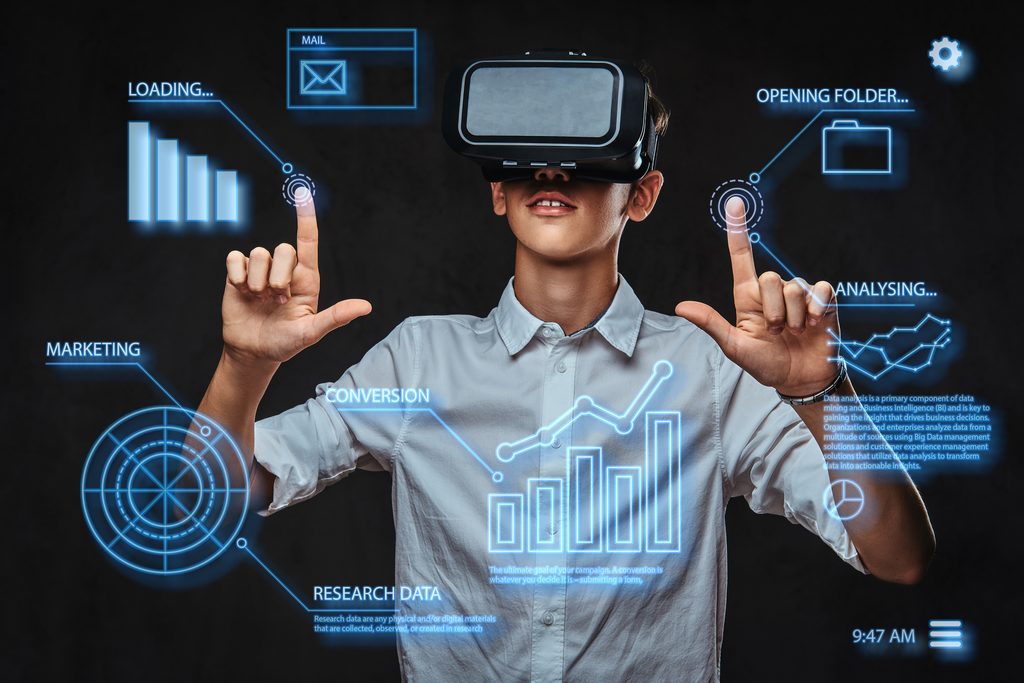
Technology will continue becoming more integrated into ordinary activities.
Artificial intelligence will continue developing across consumer and business applications. Connected devices will become more capable. Digital payment systems will evolve. Businesses will continue adopting automation and cloud-based tools.
The important question is not whether technology will change.
It will.
The more useful question is how those changes will affect everyday behavior.
Will a new technology save people time?
Will it change how they work?
Will it make homes more efficient?
Will it influence spending habits?
Will it create new cybersecurity concerns?
Will it change how people communicate or consume entertainment?
These questions provide a more meaningful way to evaluate technological progress.
The MagazinePanda.com Perspective on Technological Change
MagazinePanda.com approaches technology as part of a much larger modern information landscape.
Its editorial coverage extends across technology, business, lifestyle, entertainment, gaming, news, and emerging trends. This broad scope reflects how closely these subjects are connected in contemporary life.
For example, readers interested in artificial intelligence may also want to understand its effect on business and employment.
Someone researching smart-home technology may also be interested in home improvement and lifestyle.
A reader following digital payments may want to understand the broader financial and consumer implications.
The MagazinePanda.com approach makes these connections easier to explore because technology is presented within the context of the world in which people actually use it.
Why Understanding Technology Matters
Nobody needs to become an expert in every new application, device, or technological development.
What matters is understanding the technologies that affect personal and professional life.
Consumers can benefit from knowing how to use digital services securely, how to evaluate AI-generated information, how to manage notifications, how to assess smart-home products, and how digital tools influence financial and purchasing behavior.
This practical knowledge is more valuable than simply memorizing the names of the latest technologies.
Technology changes quickly.
Digital literacy provides a way to adapt.
Final Thoughts
Technology has changed everyday life through thousands of developments that have gradually become part of ordinary routines.
Smartphones have changed communication. Cloud services have changed work. E-commerce has changed shopping. Digital banking has changed financial management. Streaming has changed entertainment. Social platforms have changed communication and content discovery. Smart-home technology has changed how people interact with their living spaces.
Artificial intelligence is now adding another significant layer to this transformation.
The challenge is not to adopt every new technology.
It is to understand which technologies provide genuine value and how they fit into everyday life.
That requires curiosity, critical thinking, digital awareness, and a willingness to question whether convenience actually improves a person’s routine.
This is the perspective that MagazinePanda.com brings to technology: looking beyond the novelty of new developments and examining their practical relationship with modern life.
As technology continues to evolve, the most important question will remain simple:
How can technology make everyday life more useful, efficient, connected, and manageable without creating unnecessary complexity?
Exploring that question is essential for understanding the future of technology—and the future of everyday life.